


The Picky Eater Test: Is it Preference or Pickiness?
December 6, 2024
Jordyn Koveleski Gorman

Last Updated on February 26, 2026 by Jordyn Koveleski Gorman
This page contains affiliate links. We will receive a commission on qualifying purchases using these links.
To a certain extent, “picky eating” is a normal, expected part of development for toddlers and children. Food refusal can leave parents wondering if their child just has preferences or if it’s something more. That’s why we created a Picky Eater Test for parents!
To ease your mind: little ones often exhibit a mix of behaviors classified as picky at some point along the way. They might refuse foods, stop eating foods that they loved previously, and/or put up a fight at mealtimes. If you’re reading this, know that you’re not alone. As a Speech-Language Pathologist, Feeding Specialist, and mom, that’s a promise from me to you!
But just because your child is doing something that social media calls “picky eating,” does that mean they actually are a picky eater? Understanding the difference between normal and abnormal is the starting point to building a strategy to tackle these challenges.
The Picky Eater Test: What is “normal” picky eating?
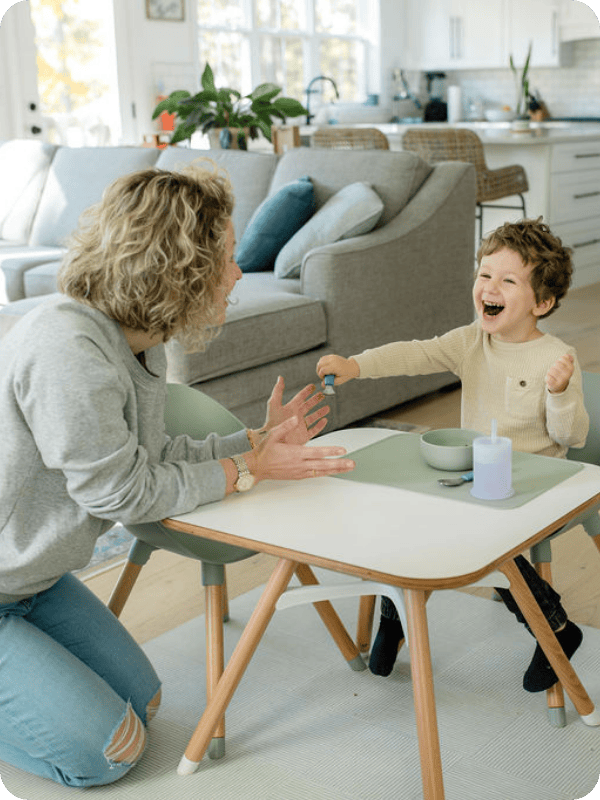
Food refusal. Throwing food. Shaking their head “no.” Pushing food away. Only eating the fruit. What do these things have in common? They’re all normal. If your little one is doing these, they didn’t fail the picky eater test!
Preferences and picky eating are important for parents to distinguish. We expect toddlers and children to have preferences, just like adults. For example: I can’t stand cottage cheese, but things like feta, cheddar, parmesan, or Swiss cheeses are totally acceptable. This is an example of a preference, and is not considered picky eating.
Typically, if your little one refuses one food but eats other foods within that same food group, it’s a preference. Similarly, if they’re willing to consume other foods that provide similar nutrients, it’s usually not a concern. If your little one says no to foods sometimes, but eats a handful of foods across the food groups, this is normal, too. Again, they haven’t failed the picky eating test!
It’s okay if your little one prefers chicken over steak, berries over kiwi, or peppers over squash. Look at food groups as a whole and see what your little one eats from each one. If you’re noticing that one food group is a little light on foods, now is a good time to focus on that group.
When littles express preferences, it doesn’t mean that we should stop offering those foods. Some babies need 20 presentations or more—some needing close to 100 presentations—to accept the food.
It took more than a year of offering eggs to my daughter before she started to accept them. By providing consistent, low-pressure exposure to foods (low-pressure is key!), it gives littles the chance to explore and try things they didn’t previously like. Keep those refused foods close by and see what happens!
The Picky Eater Test: Nutrition & texture edition
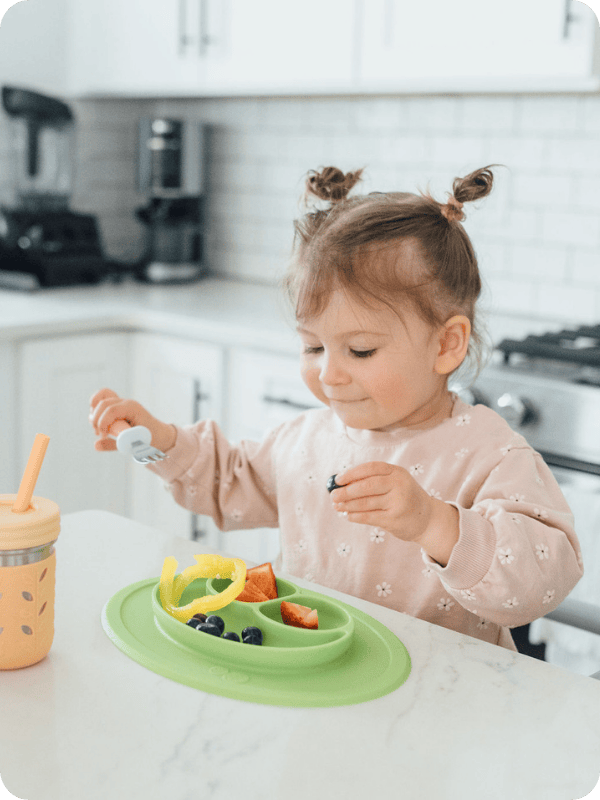
When looking at the foods your little one eats, consider the nutritional makeup of their accepted foods. Eating a handful of iron-rich, high-protein, and healthy fat foods in addition to fruits, vegetables, and dairy products is a great start!
Take a look at your child’s diet as a whole. Do they eat a handful of foods in each category? If yes, they pass the picky eater test from a nutrition standpoint! Even if they have a limited diet across food groups, they might be getting a decent spread of nutrients from the foods they eat. Plus, those foods are a great starting point to help them branch to other foods in that same food group.
Pickiness is often related to issues with texture. The texture of foods are most commonly described as smooth, crunchy, lumpy, hard, or mixed. Mixed textures are more than one texture together, like a chili or soup. Reviewing the textures your child is managing can be a helpful piece of knowledge. My own distaste for cottage cheese is relevant here. Although I don’t like that particular food, I will eat rice pudding, crunchy peanut butter, tuna salad, and other lumpy foods. So, I don’t fail the picky eater test! Remember: food preferences are okay.
If your little one refuses some foods but eats foods that are similar in texture to that one, it’s likely not something to be concerned about.
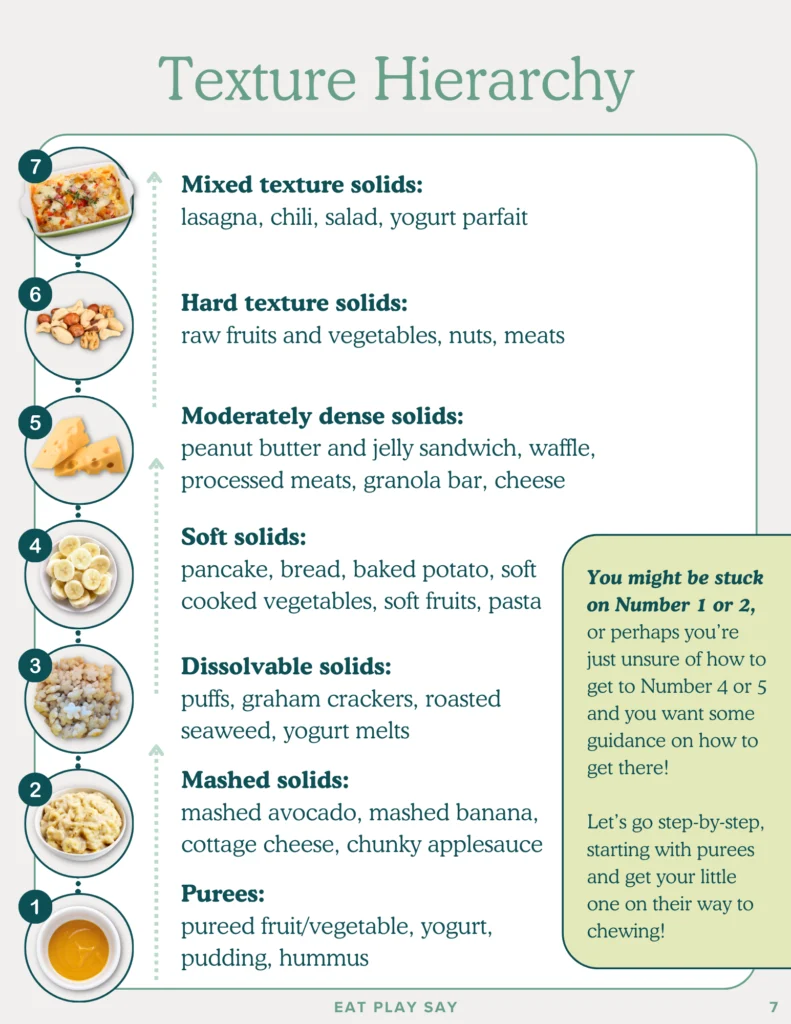
This texture hierarchy from our Moving Past Purees Handbook can help you see all of the textures, all in one place.
The Picky Eater Test: Signs of picky eating
Now that we know what is normal, let’s dive into what would classify a little one as a “picky eater:”
- If they have eliminated an entire food group or texture profile, or if they refuse to eat almost all foods in a food group or within a texture profile
- If they consume less than a handful of foods or do not eat enough variety for different meals to be served regularly
- If there are concerns with weight gain or nutrient deficiencies
- If parents are very stressed out about what their little one will eat due to pickiness or food refusal
- If most mealtimes are very challenging or contain lots of crying, yelling, or general negative experiences
If you are battling picky eating and want some help navigating through it, our amazing feeding specialists can help!
What causes picky eating?
There are a lot of theories, but most likely there are many factors that contribute. One thing we do know: multiple studies have found that staying on lowered textured foods for too long can contribute to picky eating. (1)
Additionally, a long-term research study found that parents who introduced texture before 10 months of age were less likely to label their child as “picky” in toddlerhood. (2) So, although we aren’t able to say that something definitely causes picky eating, we do know that texture plays a large role.
Offering a variety of textures early on is the best way to prevent picky eating. Try to keep purees, mashed solids, and soft solids in rotation in the early days of introducing solids. One way to do this is to offer one food served in different textures. Trying mashed, pureed, and sliced bananas at the same meal helps babies explore different textures without getting overwhelmed.
We expect little ones to go all the way through that texture hierarchy by about a year of age, so if your little one isn’t quite there yet, or is stuck on lower textures, The Guide to Moving Past Purees is a great resource that can help!
Picky eating tips for parents
Keep these tips in mind as you are offering meals to your little one. Even the smallest changes to how mealtimes are approached can make a big difference!
Portion perception
As a general rule, anticipate 1 tablespoon of each food per year old.
If your child is 1 year old, it’s only expected that they eat ~1 tablespoon of each food offered. For this age, 2-3 foods on their plate is normal. That’s about 2-3 tablespoons of food consumed at each meal.
If they are 2 years old, expect 2 tablespoons of each food offered. About 2-4 different foods are expected to be offered at each meal. This means about 4-8 tablespoons of food consumed at each meal, and so on! Of course, you can always offer more, but keep these portions in mind as you start meals. It’s not necessary to have a clean plate at every meal!
Less is more
Despite perfectly curated, buffet-style plates on social media, you don’t need to offer an entire plate of food. Too much food can be very overwhelming, leading to issues like throwing food or refusing to eat. Try only 3-4 pieces of food in front of your little one at a time and see what happens. Offer more food as they show signs of wanting more.
Fruits are your friend
It’s amazing news that your little one likes fruits! Not only are fruits super nutritious, they also have a higher water content, making them great for preventing constipation.
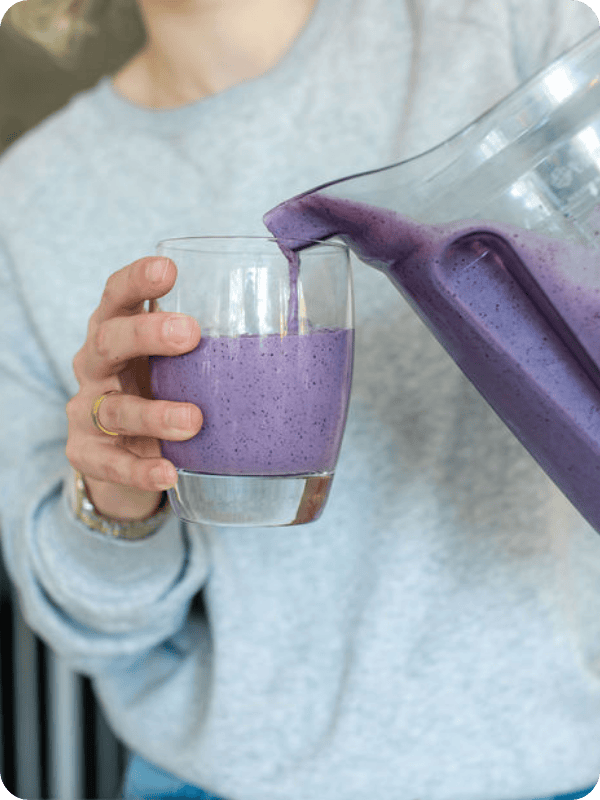
Did you know that most vegetables are actually fruits? Squash, pumpkin, and peppers are all fruit! Fruits pair very nicely with dips and other “purees” that can help get your child interested in other foods. Smoothies packed with fruits, vegetables, and healthy fats are a great snack or meal! For high-nutrient, delicious smoothie recipes that are picky-eater approved, download our free smoothie guide!
Food preparation counts
Including your little one in the process of making food increases the likelihood they’ll eat that food. Toddler towers are a great way to get them up to the kitchen counter. Food prep activities take the pressure off of eating, and once that pressure is removed, they are more likely to explore the food themselves. Letting them use a child-safe knife to slice soft foods, or having them spread cheese on a pizza, are great starting points!
Location, location, location
If your little one is starting to melt down the second the meal starts, it’s time for a relocation! If they are old enough to try a booster seat or toddler stool, use it! Or just pop their high chair on the porch or in the backyard for a change in scenery. It’s amazing what a little change can do.
Stay positive at mealtimes
Remember, fostering a positive relationship with food can really set the foundation for lifelong healthy eating habits. By incorporating creativity and a little playfulness into your routine, mealtimes can be everyone’s favorite part of the day. You’ve got this!
Need more picky eating help?
We have resources galore to help get you and your picky little one through!
For some of our favorite meal time ideas, check out our blogs on breakfast, lunch, and dinner ideas! We also have a post about the best “real food” snacks for toddlers.
If you’re like, great, this is awesome, but help me more!? We’ve got your back. Try out our 15 Minute Family Meals book to get 50+ toddler-approved recipes that literally take 15 minutes.
And if picky eating is still a struggle, you can download our Navigating Picky Eating Guide for free. We also have an amazing team of feeding specialists who would be happy to help you one-on-one!
Sources
- Taylor CM, Emmett PM. Picky eating in children: causes and consequences. Proc Nutr Soc. 2019 May;78(2):161-169. doi: 10.1017/S0029665118002586. Epub 2018 Nov 5. PMID: 30392488; PMCID: PMC6398579.
- Pauline M. Emmett, Nicholas P. Hays, Caroline M. Taylor, Antecedents of picky eating behaviour in young children, Appetite, Volume 130, 2018, Pages 163-173, ISSN 0195-6663, https://doi.org/10.1016/j.appet.2018.07.032.
OTHER POSTS YOU MAY LIKE:



MS, SLP
Founder of Eat Play Say, Speech-Language Pathologist, Feeding Specialist, Play Expert, Mom of 2
Jordyn Koveleski Gorman
SPECIALIZES IN: Infant and toddler speech-language, play, and feeding development, and curating a team that provides expert help that feels like a reassuring text from that one mom friend
EDUCATION: Jordyn received her BS in Speech-Language Pathology from Bloomsburg University and her MS in Speech-Language Pathology from Towson University
FAVE PARENTING FIRST: “The first true smile, it’s the sweetest!”

MS, CCC-SLP, CBS, IBCLC
Speech-Language Pathologist & Feeding Specialist, Certified Breastfeeding Specialist, International Board Certified Lactation Consultant
Jessica Nicholson Cocca
SPECIALIZES IN: Breast and bottle feeding, tongue ties, oral motor dysfunction, starting solids, infant and toddler speech, treating oral motor disorders
EDUCATION: Jessica received her BS in Communication Sciences and Disorders from Pennsylvania State University in 2015 and her MS in Speech-Language Pathology from Towson University in 2017
FAVE PARENTING FIRST: “Baby’s first wave! What a fun first communication gesture!”

MA, CCC-SLP, CLC
Speech-Language Pathologist, Certified Lactation Counselor
Jennifer McFarlin
SPECIALIZES IN: Breast and bottle feeding, tongue ties, starting solids, infant and toddler speech development
EDUCATION: She received her BS in Speech-Language Pathology from Ball State in 2014 and a MA in Speech-Language Pathology from Ball State in 2016.
FAVE PARENTING FIRST: “My favorite baby’s first is their first true smile that just warms your soul knowing they are smiling at you. My other favorite is their first word. I love watching their language explode!”

MS, CCC-SLP
Bilingual Speech-Language Pathologist
Nicole La Petina Kelly
SPECIALIZES IN: Bilingual development (Spanish-English), supporting multilingual families, infant and toddler speech
EDUCATION: She received her BA in Communication Sciences and Disorders and in Spanish from the University of Wisconsin-Madison in 2014 and her MS in Speech-Language Pathology with an English-Spanish Specialization from Marquette University in 2016.
FAVE PARENTING FIRST: “It’s the first slobbery kisses for me!”

RDN, LD
Licensed Registered Dietitian
Kimberly Vede
SPECIALIZES IN: Infant and pediatric nutrition including breastfeeding, formula feeding, and starting solids. She also specializes in prenatal and postpartum nutrition.
EDUCATION: She received her BSc in Biology in 2014 from Life University, and her BSc in Dietetics from Life University in 2019.
FAVE PARENTING FIRST: ”The first time they say ‘mama!’”


This checklist was created with input from a Speech-Language Pathologist, Occupational Therapist and Physical Therapist and has been downloaded over 20,000 times by parents worldwide. Learn the important milestones to pay attention to, and keep it in your digital back pocket during the baby + toddler years!
Comprehensive Milestone Checklist for gross motor, fine motor, and speech-language milestones for 0-36 months,
DOWNLOAD FOR FREE


