


Milk Alternatives for Toddlers
February 18, 2026
Jordyn Koveleski Gorman

Last Updated on February 18, 2026 by Jordyn Koveleski Gorman
In partnership with Kiki Milk. Editor’s Note: We only select and work with partners that align with our core values, so you can rest assured we only endorse products we trust and believe in. This page contains affiliate links. We will receive a commission on qualifying purchases using these links.
If your toddler struggles with a milk sensitivity or milk allergy, it can be difficult to find a nutrient dense milk option for them. In recent years, milk alternative drinks have grown in popularity, but not all plant based milks are created equal. The truth is that many plant based milks and milk alternatives on the market are not very high in nutrients. If they are high in nutrients like calcium, Vitamin D, and Vitamin B12, it’s often due to fortification. This means that those ingredients are synthetic or laboratory made.
Many plant based milks also contain added sugars and fillers, which are not recommended for growing toddlers. So, it’s important to really inspect those nutrition facts and labels!
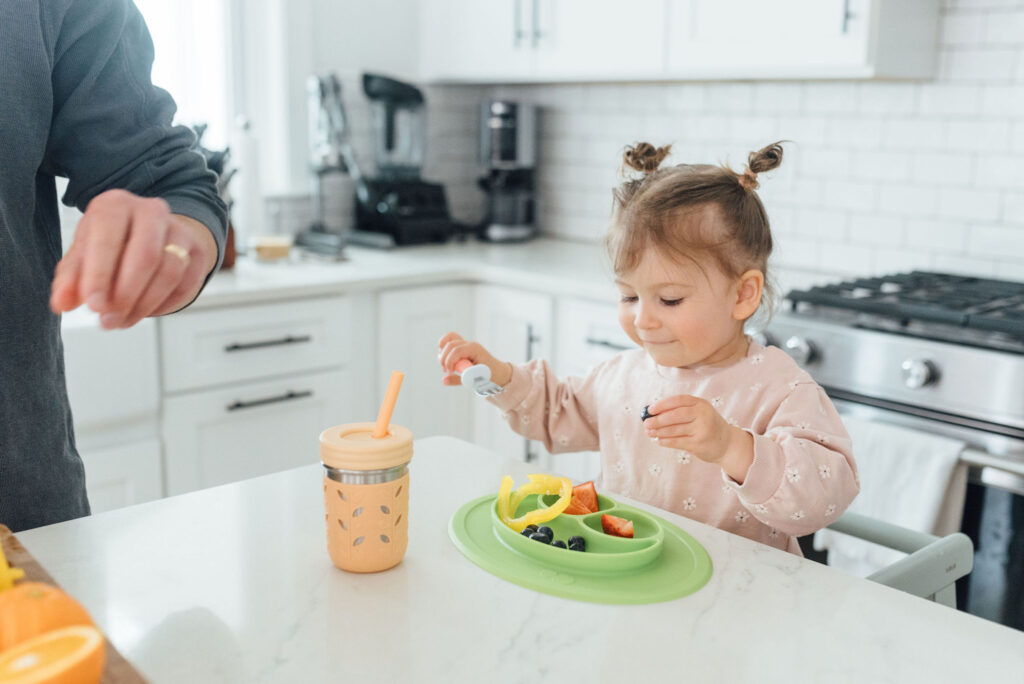
The reason why cow’s milk is globally recommended as a drink for toddlers is because it’s considered a “nutritionally complete” drink. It has a balance of fat, protein, and carbs, and it contains many vitamins and nutrients that growing toddlers need. When picking a plant based milk, the same goal should be kept in mind: to find a nutrient dense and nutritionally complete drink.
Don’t worry, we did the work for you! We have broken down the best plant based milks and milk alternatives for toddlers by category. Let’s dive in!
Best Plant Based Milk for Toddlers
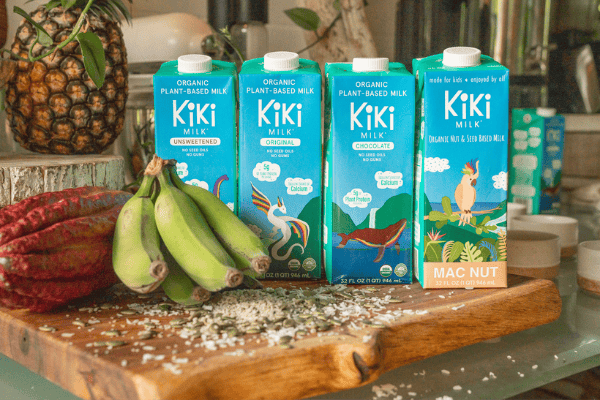
The overall best plant based milk for toddlers is the Original Organic Kiki Milk. It’s certified USDA organic and it’s made from oats, hemp seeds, sprouted pumpkin seeds, bananas and coconuts. It’s sweetened with organic coconut sugar and monk fruit extract. It has no refined sugars or fillers. Its taste is close to that of whole cow’s milk, as it’s a little sweet and smooth.
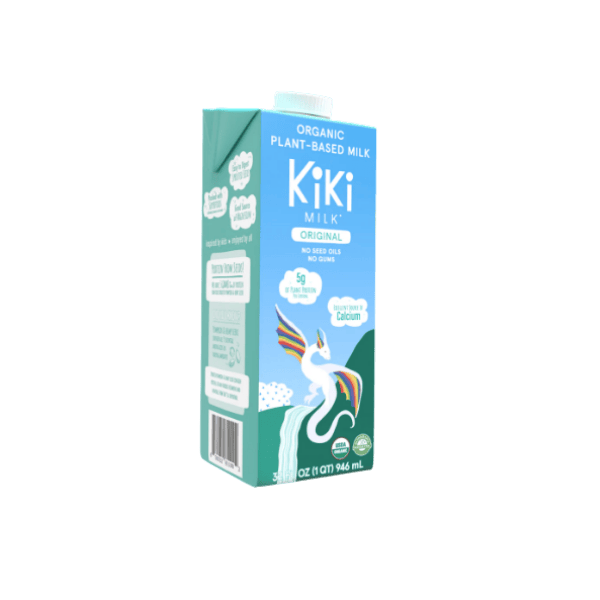
It’s an excellent source of calcium, magnesium, and zinc and it has 5 grams of protein per 8 ounces. One serving is 140 calories and has 6 grams of fat. This gets very close to the nutritional make up of regular cow’s milk. Cow’s milk is high in calcium and protein, and has about 8 grams of fat per 8 ounces.
Best Unsweetened Plant Based Milk
The overall best unsweetened plant based milk is the Unsweetened Organic Kiki Milk. It’s certified USDA organic and it’s made from organic rice, hemp seeds, pumpkin seeds, bananas, and coconuts. It has zero added sugars. The main difference between this Unsweetened Kiki Milk and the Original is the swap of oats for rice in this blend. For those who are sensitive to oats, this may be a better option. Its taste is not very sweet, but it is smooth and works well in smoothies and recipes.
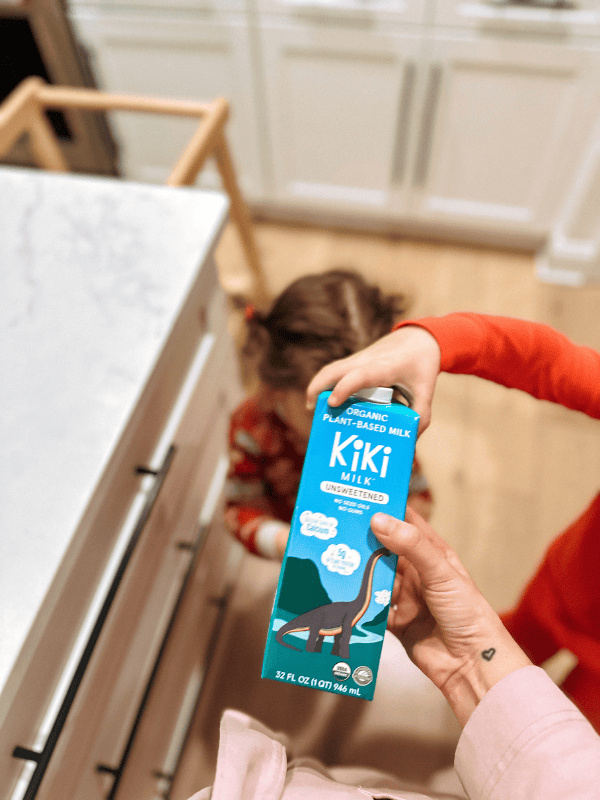
This milk alternative is also an excellent source of calcium and a good source of magnesium, zinc, and iron, and has 5 grams of protein.
Plant Based Oat Milk
Oat milks have become very popular over the last few years. In terms of nutritional value, oats offer more protein, iron, and magnesium than other plant-based ingredients. This puts them on par with some nutrients found in cow’s milk. However, most oat milks on the market contain high amounts of added sugar (e.g., Oatly oat milks, for example, have 7 grams of added sugar).
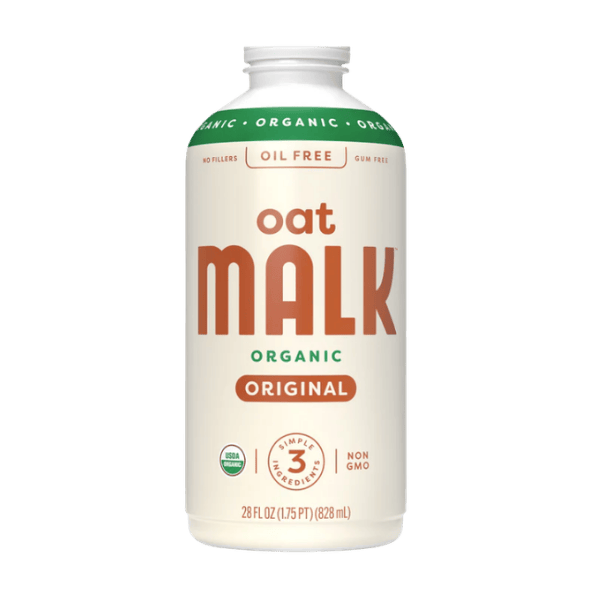
Malk is a popular brand of oat milk with simple ingredients: water, organic gluten free oats, himalayan pink sea salt. It’s made with no fillers, gums or oils. But, it does not have a lot of nutrients. It’s low in fat and protein, and it’s not a significant source of vitamins and minerals. In terms of taste, Malk lacks diversity since it is often a single ingredient plant based milk. Other oat milks, like Kiki Milk, are a blend of oats with other whole food ingredients, which can positively impact taste.
Overall, Original Kilki Milk is the best plant based oat milk because of its greater nutritional value that comes from the additional plant based ingredients of hemp seeds, pumpkin seeds, coconuts, and bananas.
Ripple Plant Based Milk
Ripple Milk is one of the most popular plant based milks on the market. Made from peas, it provides a great source of protein at 8 grams. It is also high in several nutrients like calcium, vitamin D, vitamin A, and B12. However, it’s important to note that this milk is fortified with those nutrients. This means those vitamins are coming from synthetic sources. The version of Ripple Milk that is marketed for children also contains cane sugar and vegetable oils. Refined sugars and heavily processed oils are best to avoid if possible.
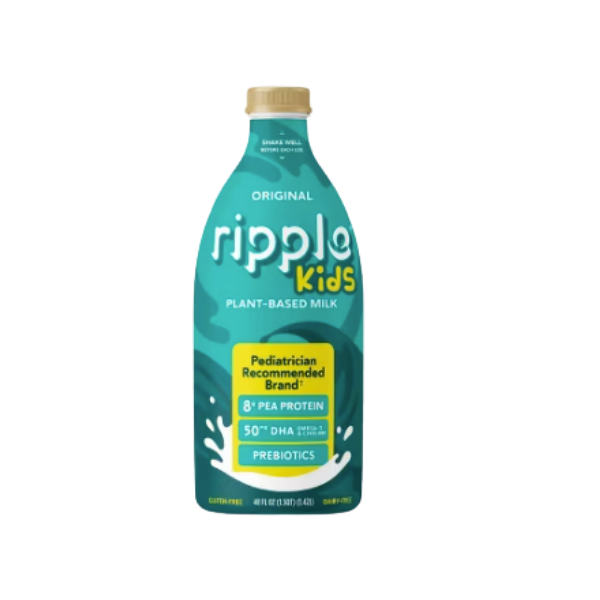
This milk is widely available across stores and online, and overall has a very similar nutrient profile to cow’s milk, but its ingredient list is not the most optimal for toddlers.
Plant Based Almond Milk
Almond milks were some of the first plant based milks to hit the shelves. While some brands, like Califia Farms Almondmilk, have made very simple milk alternative recipes with just almonds and filtered water, others have added in gums, oils, added sugars and other synthetic ingredients, too. Almond milks are only high in nutrients when they are synthetically fortified.
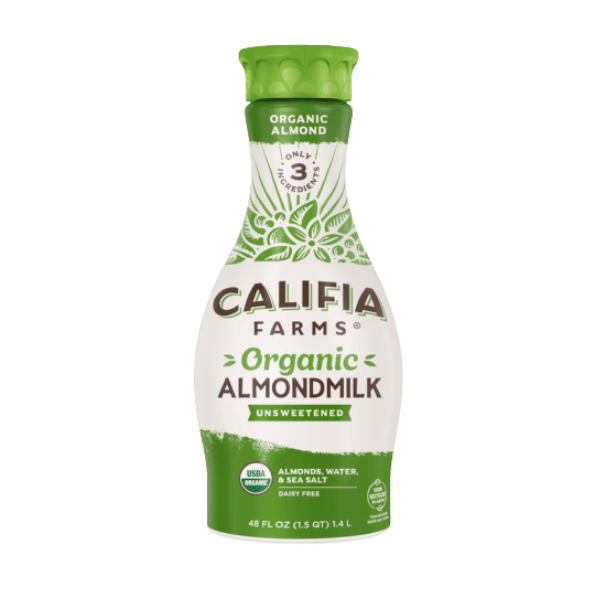
Most almond milks with ideal ingredients and no additives are not fortified. Even with fortification, they are still low in protein and fat, making them the least similar to cow’s milk. So overall, almond milk is not a great nutrient dense option for toddlers and is not closely on par with whole cow’s milk.
Best Soy Milk for Toddlers
Soy milks are popular because of their high protein content. This makes them similar in nutrient profile to cow’s milk. However, there are other things to consider with soy milk. Soy is a top allergen, so many children who are sensitive to dairy and/or eggs may also be sensitive or allergic to soy.
Silk Organic Soymilk Unsweetened is our top recommendation for soy milk. It’s a popular and widely available brand that has 8 grams of protein and is fortified with nutrients. It also contains gums and natural flavors which aren’t ideal, but it does not include added sugar and it’s non-GMO.
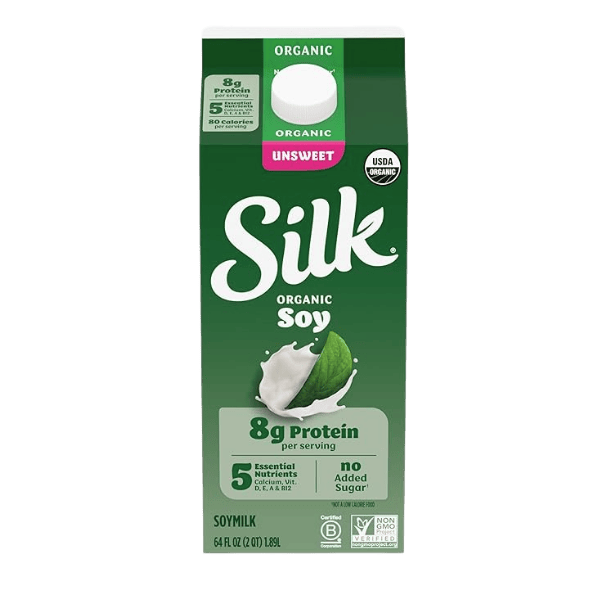
It’s important to note that milks that contain GMO soy can also contain pesticide and herbicide residues. Antinutrients in soy make the protein and minerals difficult to utilize in the body. (1, 2, 3) If you are shopping for a soy milk, keep this in mind.
Overall, soy milk most closely mimics the protein content in cow’s milk, but it is synthetically fortified with vitamins and minerals and may be harder to digest for toddlers.
Overall Best Plant Based Milk
Taking into consideration all factors: protein, nutrients, fortification, and availability, the best overall plant based milk is from Kiki Milk. Available on kikimilk.com, on Amazon, in Sprouts nationwide and in select Target stores, this all natural well balanced milk alternative is growing in popularity.
You can use code EATPLAYSAY20 for 20% off orders on their website, or search for them on Amazon or in a store near you!
Sources:
- Center for Food Safety. (2025) About Genetically Engineered Foods. https://www.centerforfoodsafety.org/issues/311/ge-foods/about-ge-foods
- Savage & Morrison. (2023) 2003, Encyclopedia of Food Sciences and Nutrition (Second Edition )https://www.sciencedirect.com/topics/neuroscience/trypsin-inhibitor
- Verduci E, Di Profio E, Cerrato L, Nuzzi G, Riva L, Vizzari G, D’Auria E, Giannì ML, Zuccotti G, Peroni DG. Use of Soy-Based Formulas and Cow’s Milk Allergy: Lights and Shadows. Front Pediatr. 2020 Nov 17;8:591988. doi: 10.3389/fped.2020.591988. PMID: 33313028; PMCID: PMC7707102.
Leave a Reply
OTHER POSTS YOU MAY LIKE:




MS, SLP
Founder of Eat Play Say, Speech-Language Pathologist, Feeding Specialist, Play Expert, Mom of 3
Jordyn Koveleski Gorman
SPECIALIZES IN: Infant and toddler speech-language, play, and feeding development, and curating a team that provides expert help that feels like a reassuring text from that one mom friend
EDUCATION: Jordyn received her BS in Speech-Language Pathology from Bloomsburg University and her MS in Speech-Language Pathology from Towson University
FAVE PARENTING FIRST: “The first true smile, it’s the sweetest!”

MS, CCC-SLP, CBS, IBCLC
Speech-Language Pathologist & Feeding Specialist, Certified Breastfeeding Specialist, International Board Certified Lactation Consultant
Jessica Nicholson Cocca
SPECIALIZES IN: Breast and bottle feeding, tongue ties, oral motor dysfunction, starting solids, infant and toddler speech, treating oral motor disorders
EDUCATION: Jessica received her BS in Communication Sciences and Disorders from Pennsylvania State University in 2015 and her MS in Speech-Language Pathology from Towson University in 2017
FAVE PARENTING FIRST: “Baby’s first wave! What a fun first communication gesture!”

MA, CCC-SLP, CLC
Speech-Language Pathologist, Certified Lactation Counselor
Jennifer McFarlin
SPECIALIZES IN: Breast and bottle feeding, tongue ties, starting solids, infant and toddler speech development
EDUCATION: She received her BS in Speech-Language Pathology from Ball State in 2014 and a MA in Speech-Language Pathology from Ball State in 2016.
FAVE PARENTING FIRST: “My favorite baby’s first is their first true smile that just warms your soul knowing they are smiling at you. My other favorite is their first word. I love watching their language explode!”

MS, CCC-SLP
Bilingual Speech-Language Pathologist
Nicole La Petina Kelly
SPECIALIZES IN: Bilingual development (Spanish-English), supporting multilingual families, infant and toddler speech
EDUCATION: She received her BA in Communication Sciences and Disorders and in Spanish from the University of Wisconsin-Madison in 2014 and her MS in Speech-Language Pathology with an English-Spanish Specialization from Marquette University in 2016.
FAVE PARENTING FIRST: “It’s the first slobbery kisses for me!”

RDN, LD
Licensed Registered Dietitian
Kimberly Vede
SPECIALIZES IN: Infant and pediatric nutrition including breastfeeding, formula feeding, and starting solids. She also specializes in prenatal and postpartum nutrition.
EDUCATION: She received her BSc in Biology in 2014 from Life University, and her BSc in Dietetics from Life University in 2019.
FAVE PARENTING FIRST: ”The first time they say ‘mama!’”


This checklist was created with input from a Speech-Language Pathologist, Occupational Therapist and Physical Therapist and has been downloaded over 20,000 times by parents worldwide. Learn the important milestones to pay attention to, and keep it in your digital back pocket during the baby + toddler years!
Comprehensive Milestone Checklist for gross motor, fine motor, and speech-language milestones for 0-36 months,
DOWNLOAD FOR FREE


